
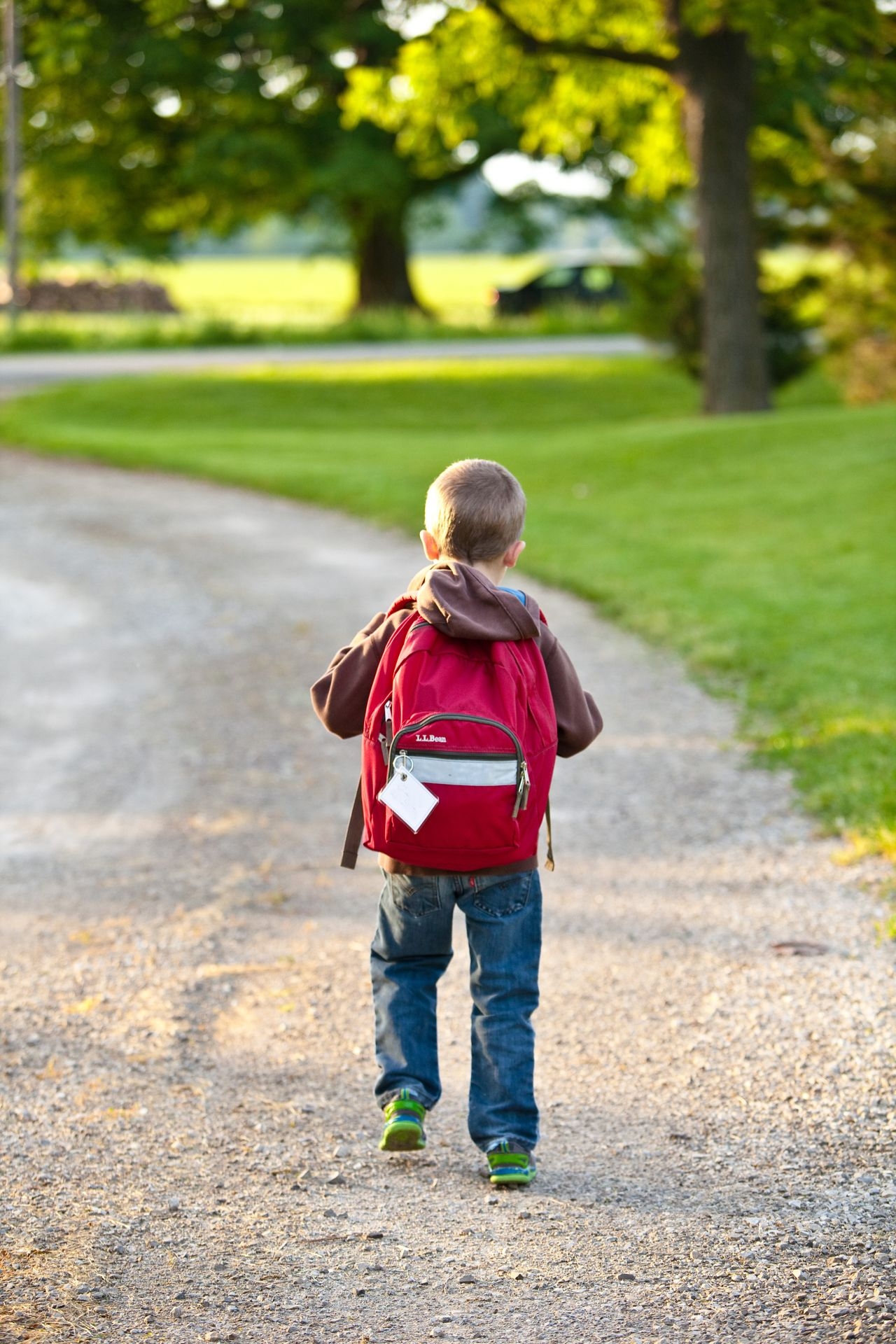
When you learn that your child was hit by a car near school, your first concern is whether your child is okay. Once your child’s immediate medical needs are being addressed, you can be left trying to understand how the collision happened, what the driver was doing, and whether a witness or camera captured it.
That leads to another important question: How do you determine who was responsible?
Determining fault usually requires looking beyond any one account of the crash. Vehicle speed, where your child was crossing, what the driver could see, the traffic signals in place, available video, witness accounts, and the driver’s actions in the seconds before impact can all become important.
As the 2026–27 school year begins, families in Fort Lauderdale also have new camera systems to consider when identifying possible evidence after a crash. The city is using automated speed-detection cameras in select school zones, while Broward County Public Schools is rolling out automated stop-arm cameras on school buses. Those systems do not mean every collision will be recorded, but they are among the possible sources of evidence worth identifying after a crash.
What Matters When a Child Is Hit Near a School?
The fact that a collision happened near a school does not, by itself, establish who was at fault. Determining responsibility requires looking at what your child, the driver, and the surrounding traffic were doing before the collision.
Questions can include:
- Where was your child walking or crossing?
- Was there a marked or unmarked crosswalk?
- What traffic or pedestrian signal was displayed?
- How fast was the vehicle traveling?
- Could the driver see your child?
- Was another vehicle, a school bus, landscaping, or other obstruction affecting visibility?
- Did the driver brake, swerve, or take another evasive action?
- Was the driver distracted?
- Were school-zone speed restrictions in effect?
- Was a crossing guard or school employee present?
These details help reconstruct the seconds before impact and clarify how the collision occurred.
Florida law also specifically requires drivers to exercise due care to avoid pedestrians and to use proper precaution when they observe a child. That does not make a driver automatically responsible whenever a child is struck, but it makes what the driver saw and how the driver responded especially relevant to the investigation.
If the child's own conduct becomes part of the fault analysis, Florida law also takes the child's age and other individual characteristics into account rather than simply applying the same reasonable-care standard used for an adult.
Does Being in a School Zone Automatically Make the Driver at Fault?
No.
School-zone rules can affect the liability analysis, but the fact that a crash happened near a school does not by itself determine civil fault.
Florida law regulates school speed zones and requires school-zone traffic-control and pedestrian-control devices. In urbanized areas, school-zone speed limits cannot exceed 20 mph, and the reduced limit applies during designated school-related periods.
Whether a driver violated an applicable speed limit is an important factual question, but an injury claim still requires an examination of the full circumstances.
That can include whether the school-zone restriction was active, the vehicle's actual speed, where the child entered or was already within the roadway, what signs or signals were present, visibility, and whether the driver had enough time and distance to react.
For a parent, the practical question is not simply, “Was this near a school?” It is, “What happened here, and what evidence can show it?”
What Video Could Help Show What Happened?
Video is often one of the first things families ask about, and for good reason. A recording can sometimes show details that are difficult to reconstruct from memory alone.
Possible sources include:
- Surveillance cameras at nearby businesses or homes
- Traffic or intersection cameras where recordings exist
- School security cameras
- Dashcams or other cameras on nearby vehicles
- School-bus cameras when a bus was involved or nearby
- Fort Lauderdale school-zone enforcement cameras where the collision occurred within a covered location and relevant records exist
Fort Lauderdale's new School Zone Safety Program uses automated speed-detection technology at nine identified school zones for the 2026–27 school year. The system records information used to enforce qualifying speeding violations. Broward County Public Schools is separately equipping buses with automated stop-arm camera technology aimed at vehicles illegally passing stopped school buses.
Neither program means that every child pedestrian crash will be recorded or that every recording will be available for an injury claim. The important step is identifying possible sources early and determining what records actually exist and can be obtained.
What Other Evidence Can Help Determine Fault?
Video is valuable when available, but it is only one part of the investigation.
Witnesses can describe where the child and vehicle were before impact, whether the driver appeared to slow down, and what traffic conditions were like. A crossing guard, parent, school employee, bus driver, student, or nearby motorist could have seen something important.
Photographs can document crosswalk markings, signs, sight obstructions, roadway layout, vehicle damage, lighting, and the location where the collision occurred. Police reports and 911 records can help establish the initial timeline and identify witnesses.
Depending on the vehicle and circumstances, data recorded by the vehicle can also provide information relevant to speed or braking.
The value comes from putting those pieces together. One photograph or witness statement rarely tells the entire story. Reviewing video, witness accounts, photographs, and vehicle information together can help clarify where the child and vehicle were and how the vehicle was moving. That evidence can also help reconstruct what happened in the seconds before impact.
Why Does Preserving Evidence Quickly Matter?
Some evidence lasts. Some does not.
School or business surveillance footage can be overwritten. An involved vehicle can be repaired, and temporary pickup or dismissal conditions around the school can change. Crossing guards, parents, students, or other witnesses can also become harder to locate.
If your child was injured, you do not need to investigate the entire collision yourself while managing medical care and your family's immediate needs. But identifying potential evidence early can matter.
Write down what you know without filling in details you did not personally observe. Keep photographs, witness information, police information, medical records, and communications from insurance companies. If you know a nearby business, school, residence, bus, or vehicle has a camera facing the area, make note of it.
What Will the Insurance Company Look At?
An insurer evaluating a child pedestrian claim will compare the available evidence to understand how the collision happened and how responsibility should be assessed.
An insurance company can also compare early statements from the driver, witnesses, family members, and others against later evidence. If you did not witness the collision yourself, be careful to distinguish between what you personally know and what you learned afterward from your child, witnesses, police, or others.
This is where Feingold, Posner & Draizin's prior experience on the insurance side informs the firm's approach. Our personal injury attorneys understand how insurers evaluate evidence and questions of responsibility, including how insurers compare competing accounts, look for inconsistencies, and assess how the available records align with what each person says happened.
The goal is to establish the facts as clearly as possible rather than assume that one detail tells the entire story.
What Should Parents Do After a Child Is Hit Near School?
Your child's medical care comes first.
Once the immediate medical situation is under control, preserve the information already available to you. Keep photographs, names and contact information for witnesses, insurance correspondence, police information, and any documents provided by the school or another agency.
Avoid contacting the driver directly to discuss fault, and do not assume that a camera either did or did not capture the collision until the available sources have been identified.
Most importantly, do not feel that you need to determine liability on your own. A child pedestrian crash near a school can involve several pieces of evidence and competing accounts that need to be reviewed together.
How Can a Fort Lauderdale Personal Injury Attorney Help?
When a child is hit by a vehicle near a Fort Lauderdale school, determining responsibility can require bringing together school-zone information, witness accounts, video, photographs, vehicle evidence, and the driver's actions before impact.
Florida law requires drivers to exercise due care around pedestrians and take proper precautions when observing children. But applying those duties to a particular collision still requires examining what actually happened.
At Feingold, Posner & Draizin Accident Lawyers, our personal injury attorneys represent injured pedestrians and families in Fort Lauderdale, Plantation, and throughout Broward County. We draw on our experience with insurance companies to investigate collisions, identify and preserve relevant evidence, evaluate disputed fault, communicate with insurers, and explain the next steps clearly.
If your child was hit by a car near a school and you have questions about what happened or what evidence could matter, contact Feingold, Posner & Draizin to discuss your family's situation and options.
Disclaimer: The articles on this blog are for informational purposes only and are no substitute for legal advice or an attorney-client relationship. If you are seeking legal advice, please contact our law firm directly.